
Limb deformity
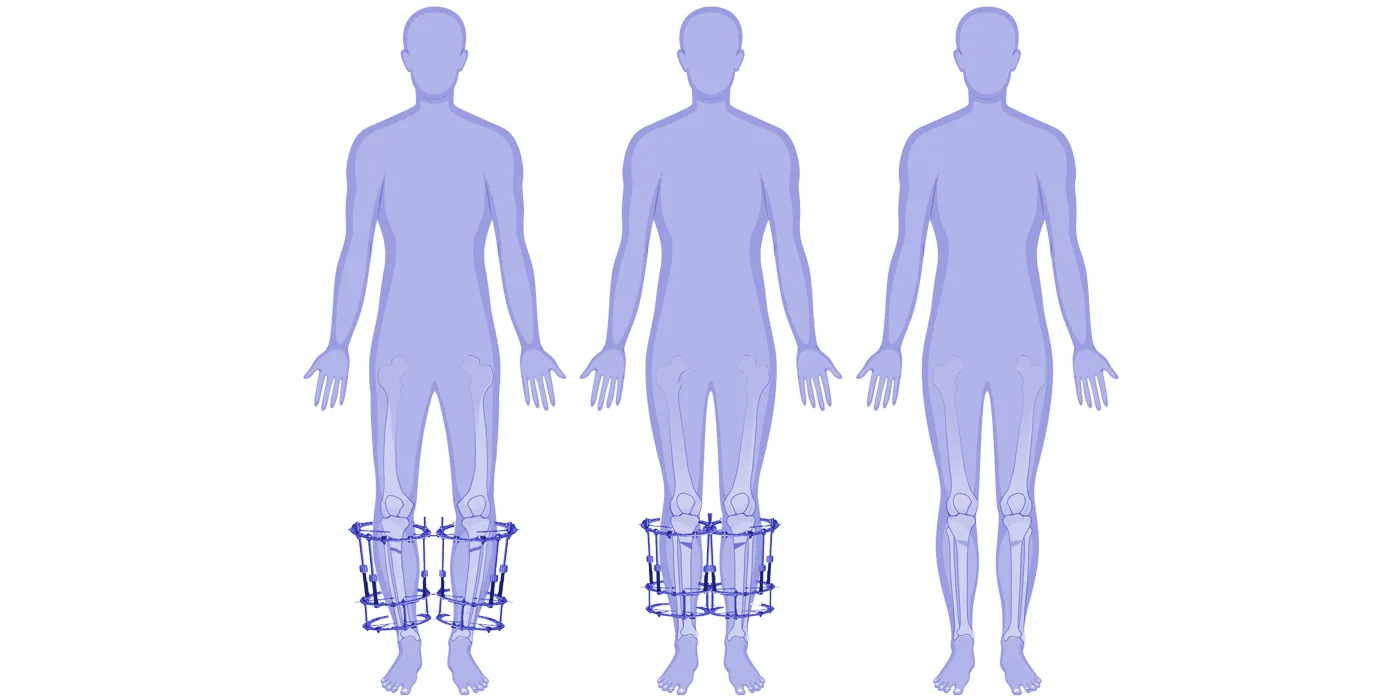
Limb deformity is perhaps the most common indication for the Ilizarov technique. The fundamental principle is as follows: the corticotomy, or bone cut, is performed at the apex of the deformity, and then an Ilizarov or hexapod frame is applied to the affected segment. After a period of 3-5 days, gradual correction begins, tailored to the specific type and degree of deformity, the age of the patient, and the treatment goals. The standard distraction rate at the osteotomy site is typically one millimeter per day. Once the desired biomechanical axis is achieved, the frame securely holds the fragments in place until the callus, the newly formed bone, is sufficiently solid for frame removal. In certain cases, to shorten the duration of frame application, an internal method such as a nail or plate may be combined with the external fixator.
Torsional deformities
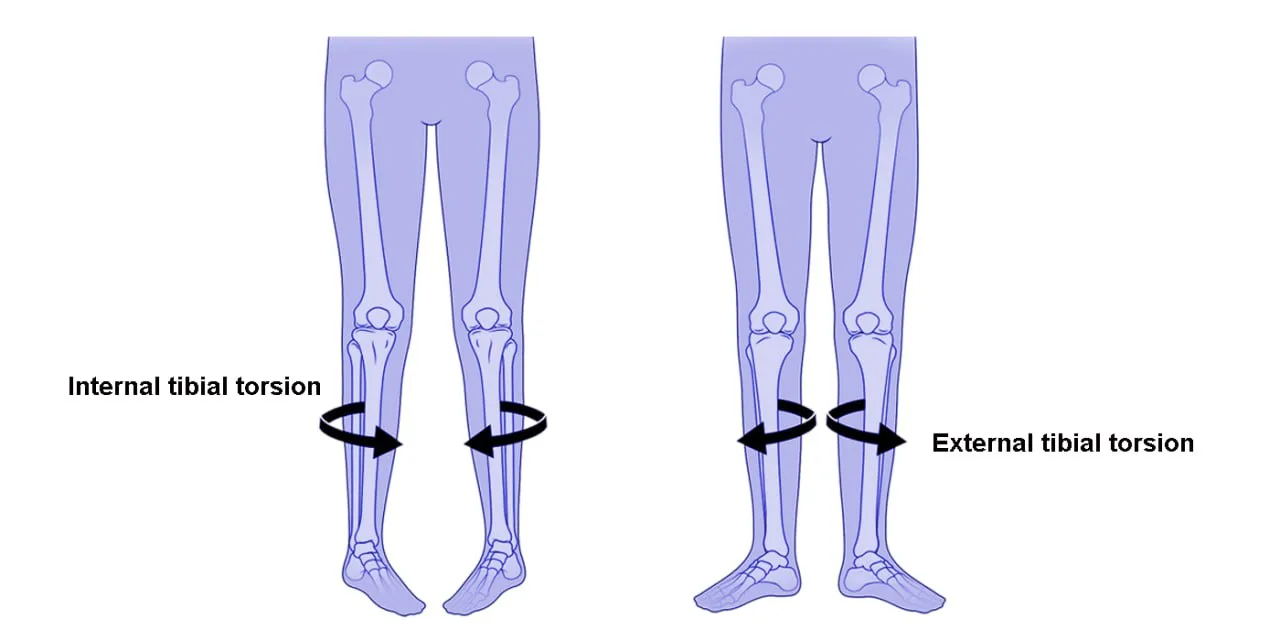
Torsional deformities are frequently associated with angular deformities. For instance, it is relatively common for tibia varus deformities to be combined with external torsional malalignment of the tibia. Torsional deformities are often misdiagnosed and overlooked, but they can have a notable impact on the coordinated function of the leg joints and gait. Internal torsional deformities can be corrected acutely, while external tibial deformities must be addressed gradually.
Multiple deformities
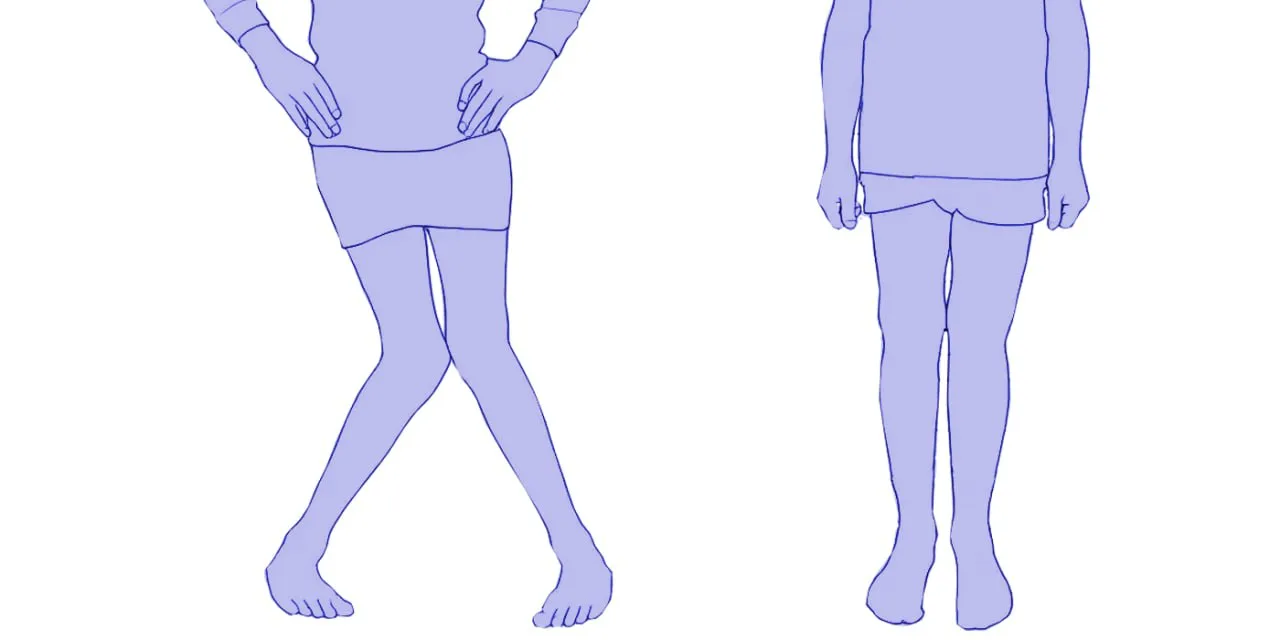
Multiple deformities are classified as such when they involve more than one limb or bone segment. These deformities may arise from various causes including congenital factors, post-traumatic injuries, infections, growth disturbances, or metabolic conditions. The approach to treatment must consider factors such as the patient's age, growth potential, underlying cause, severity of deformities, and joint conditions. In the majority of cases at our facility, we address multiple deformities through gradual correction using distraction osteogenesis, typically utilizing circular Ilizarov or hexapod frames.
Foot and ankle surgery
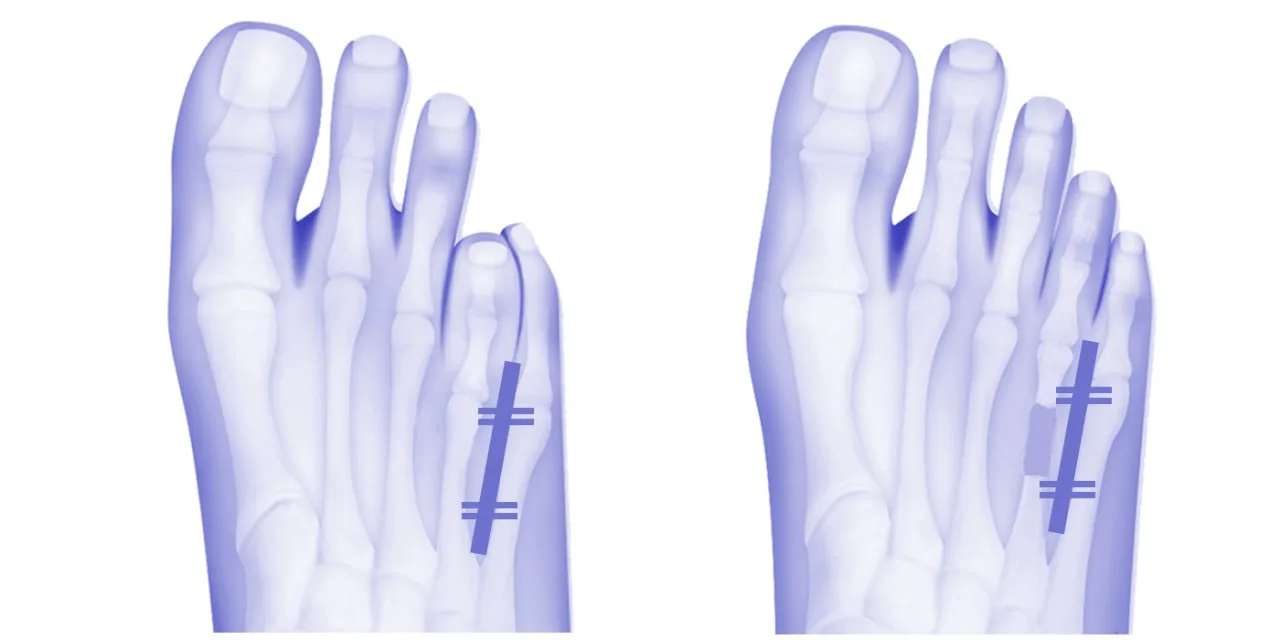
Foot and ankle surgery is a specialized service offered in our center where we effectively manage various conditions, including severe residual clubfoot, short toe, or brachymetatarsia. One of the most common types of brachymetatarsia we encounter is in the 4th toe. The principle remains consistent: an external mainframe is applied to the affected metatarsal bone, and gradual lengthening is performed until the desired length is achieved. Flat feet are addressed through arthroereisis, involving the placement of a titanium conical screw between the talus and calcaneal bone. Additionally, we provide comprehensive reconstructive surgery for hallux valgus, commonly known as a bunion, addressing first toe valgus deformity.