
Stature Lengthening by Classical Ilizarov Method
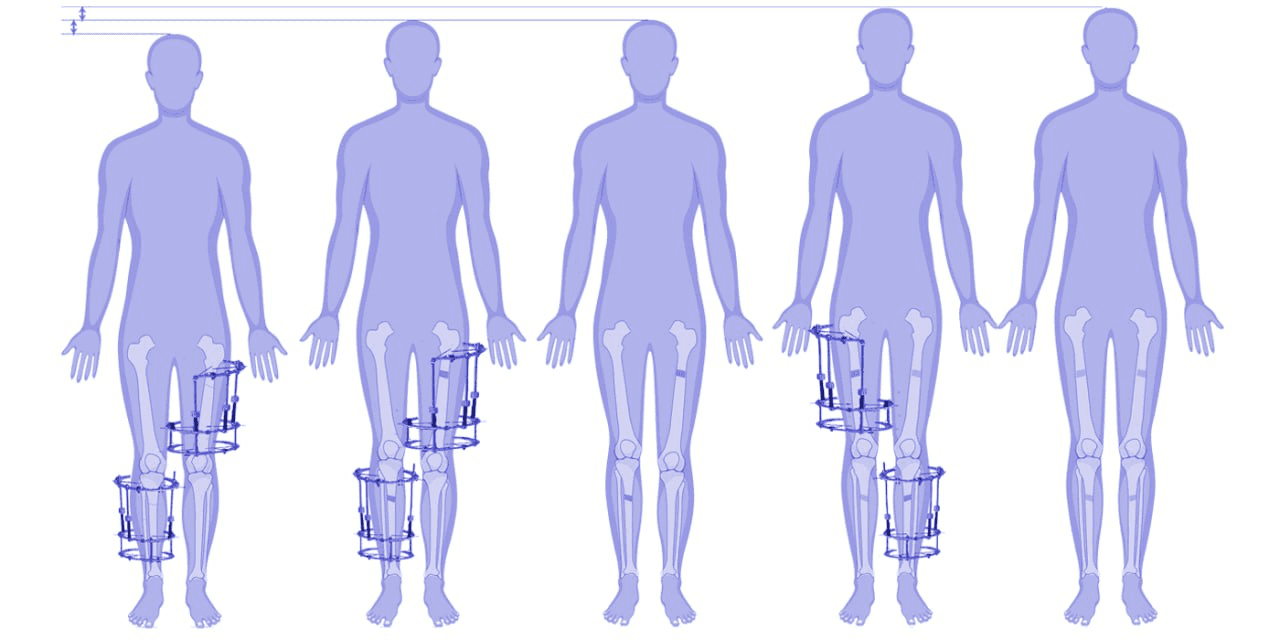
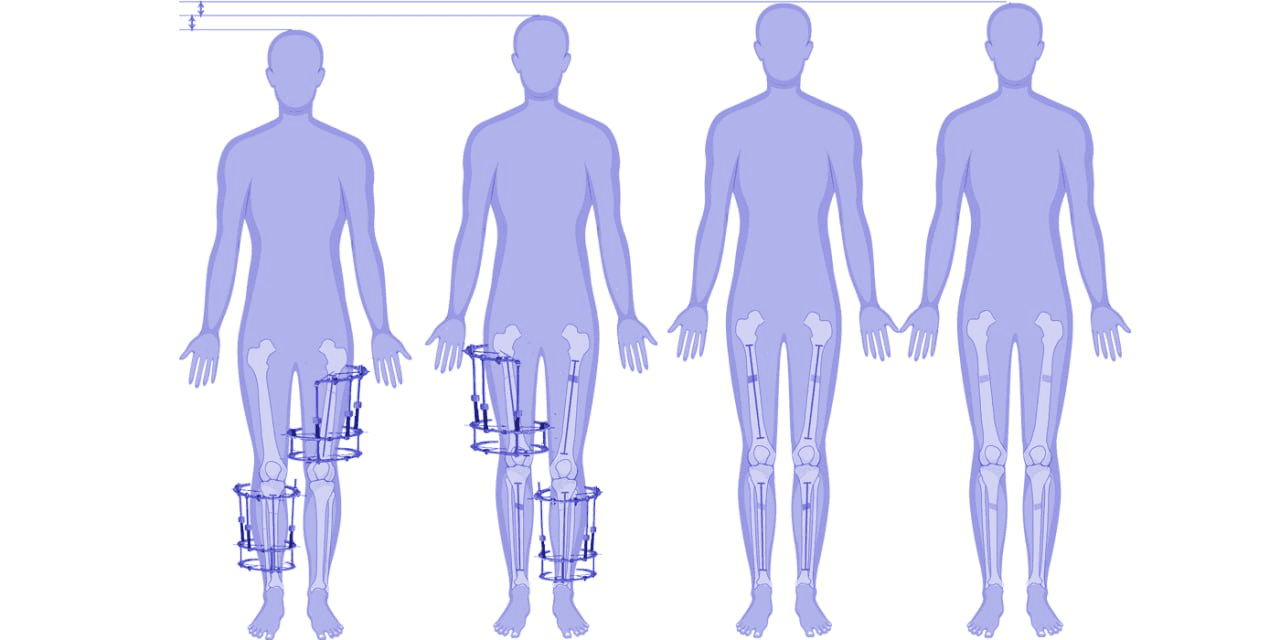
Simultaneously lengthening both tibias or femurs is the most frequent procedure in our practice. Indication for this procedure is tibia femur disproportion. It is one of the most tolerable procedures for a patient, with a very low rate of complication and with a good final result. Because of the requirements of proper tibia-femur proportion, this method is not usually used in excess of 6 cm of lengthening.
Stature Lengthening by LON/LATN Method
O-Type Legs (Bowlegs)
Treatment of "O"-Type Curve.
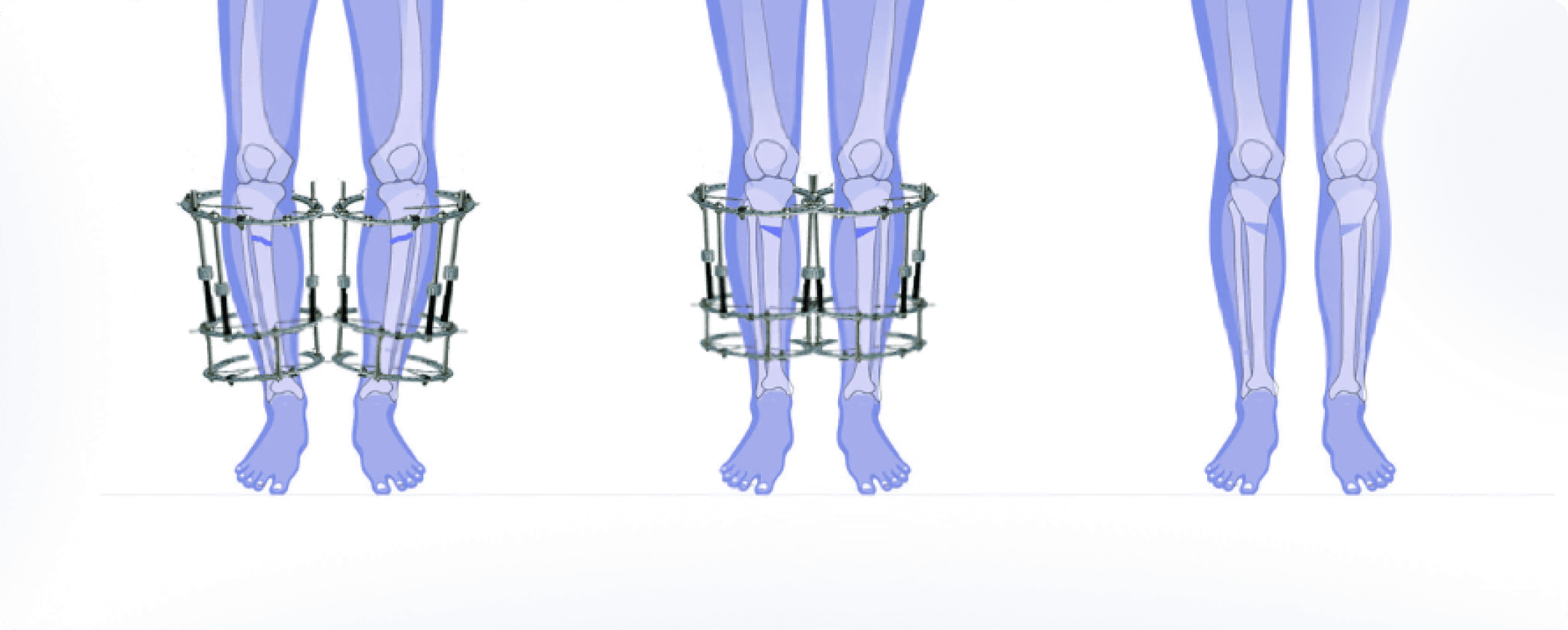
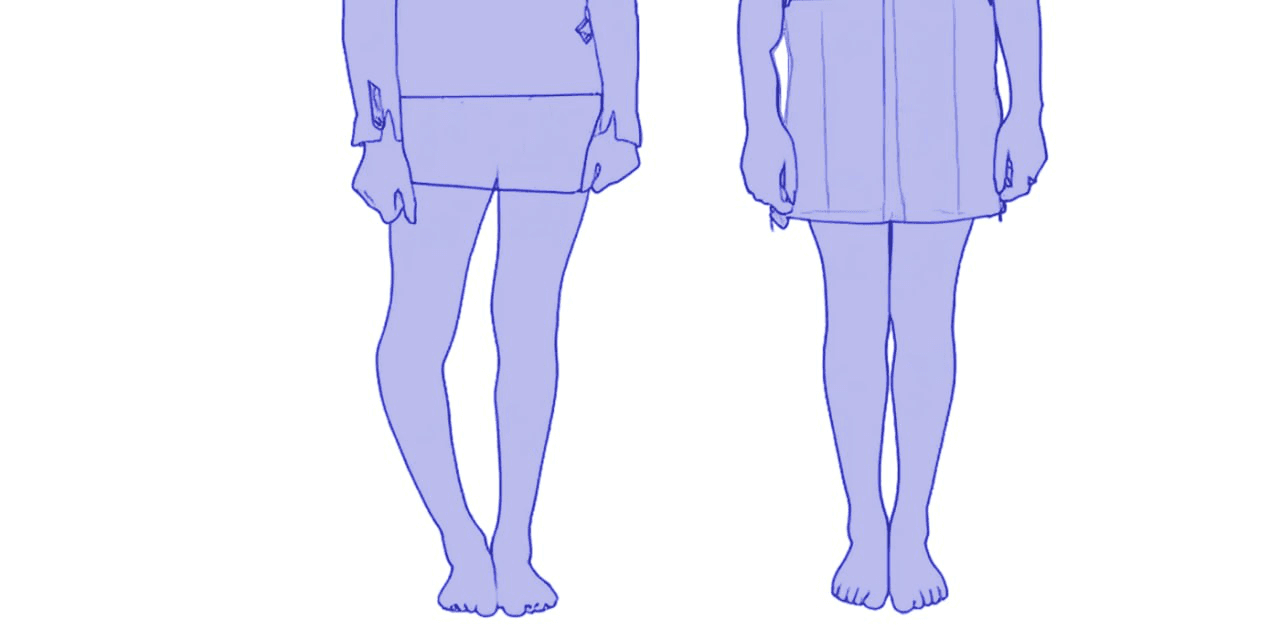
We must distinguish pure and false "O" type curves. In both cases the internal lines of the tibias are insufficient. But in a pure "O" type curve the cause of unattractiveness of the legs is the bone curve, and so the corrective open wedge technique with small medial shifting is indicated and performed.
X-Type Legs (Knock Knees)
Treatment of “X”-Type Curve
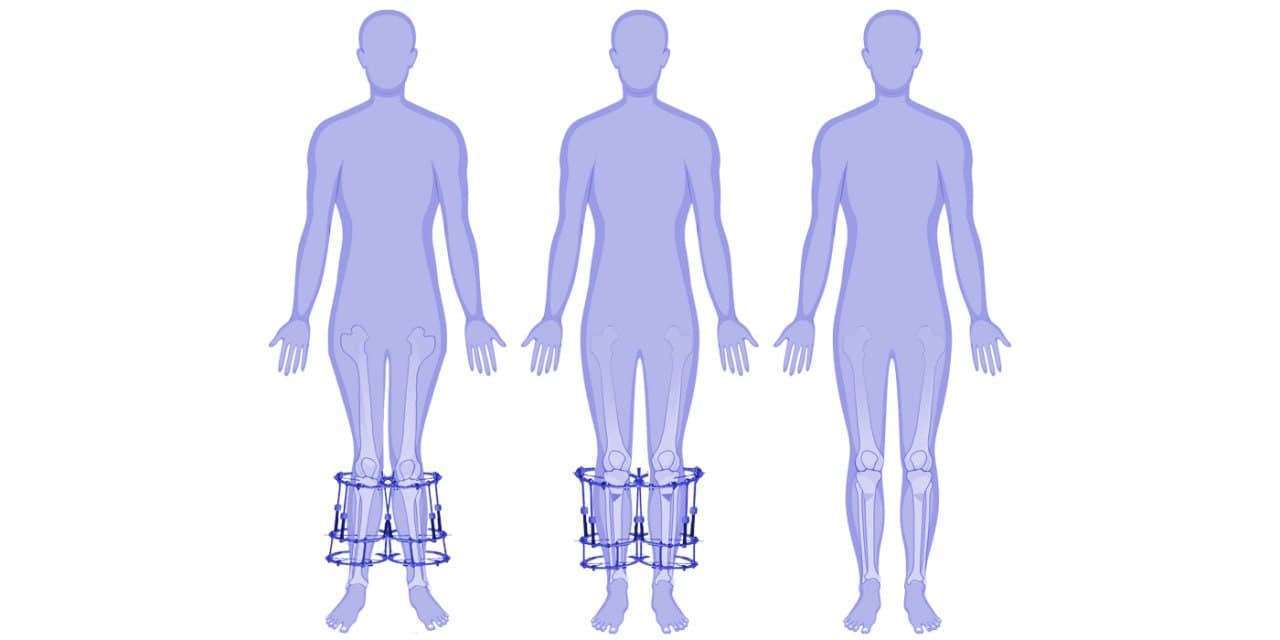
Correction of "X" type legs is very similar to correction of "O" types. The difference is the direction of the wedge, which is open internally (medial) for correction of "O" type and externally (lateral) for correction of "X" type legs.
Feet Aesthetic Problems
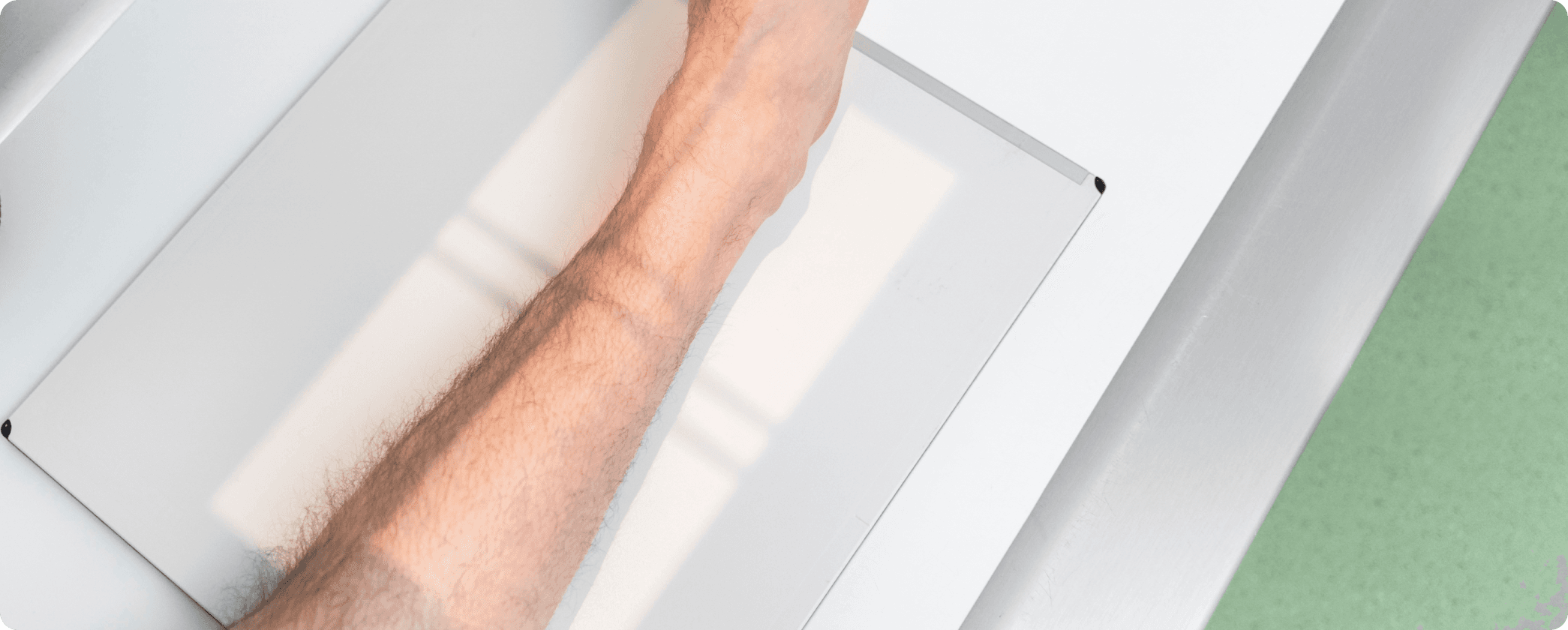
Underdevelopment of the 4th toe (Brachymetatarsia) is relatively common in our practice — we perform surgery on approximately 4–5 patients per year. The principle is the same: an osteotomy of the shortened 4th metatarsal bone is performed, a mini external fixator is applied, and gradual lengthening is carried out to the required length.
This improves the biomechanics of the foot and achieves the desired aesthetic effect.
Bone Transport
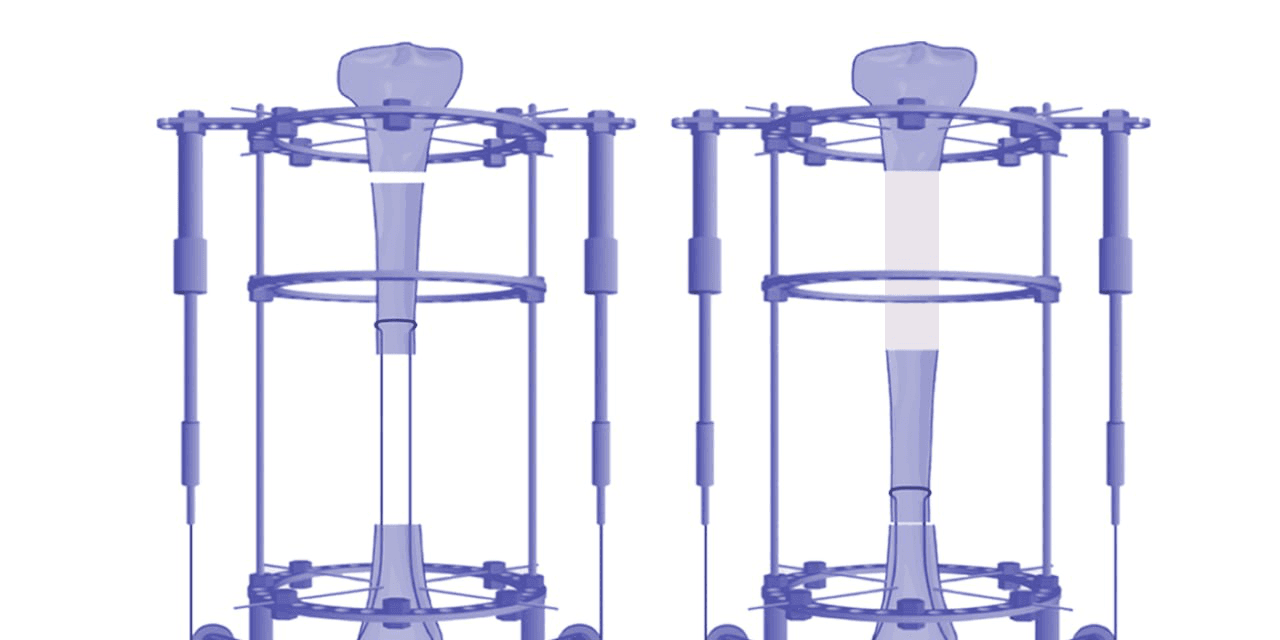
Bone transport by Ilizarov, remains the golden standard technique for the reconstruction of segmental defects of tubular bones. The classicle Ilizarov technique is commonly applies, however combination of external fixator and intramedullary nailing reduces duration of treatment and rehabilitation period. This method provides elimination of bone defect, length restoration and full weight-bearing of the limb.
Osteomyelitis
Clubfoot
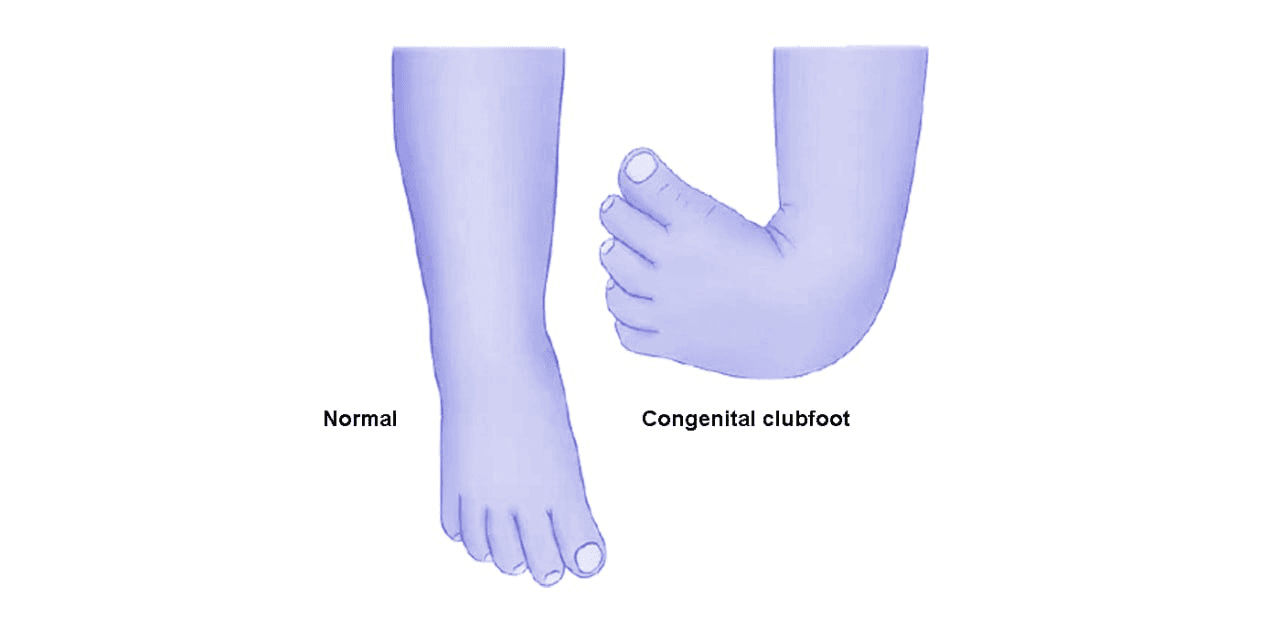
If conservative treatment methods of clubfoot (such as the Ponseti technique) fail to achieve correction, or in the cases of recurrent or severe deformity, our center performs comprehensive correction of all deformity components using the Ilizarov method. In children, correction is typically performed by a closed technique, whereas in adults, the Ilizarov apparatus is applied and a “V”- or “T”-shaped osteotomy of the midfoot is performed.
Congenital Pseudoarthrosis
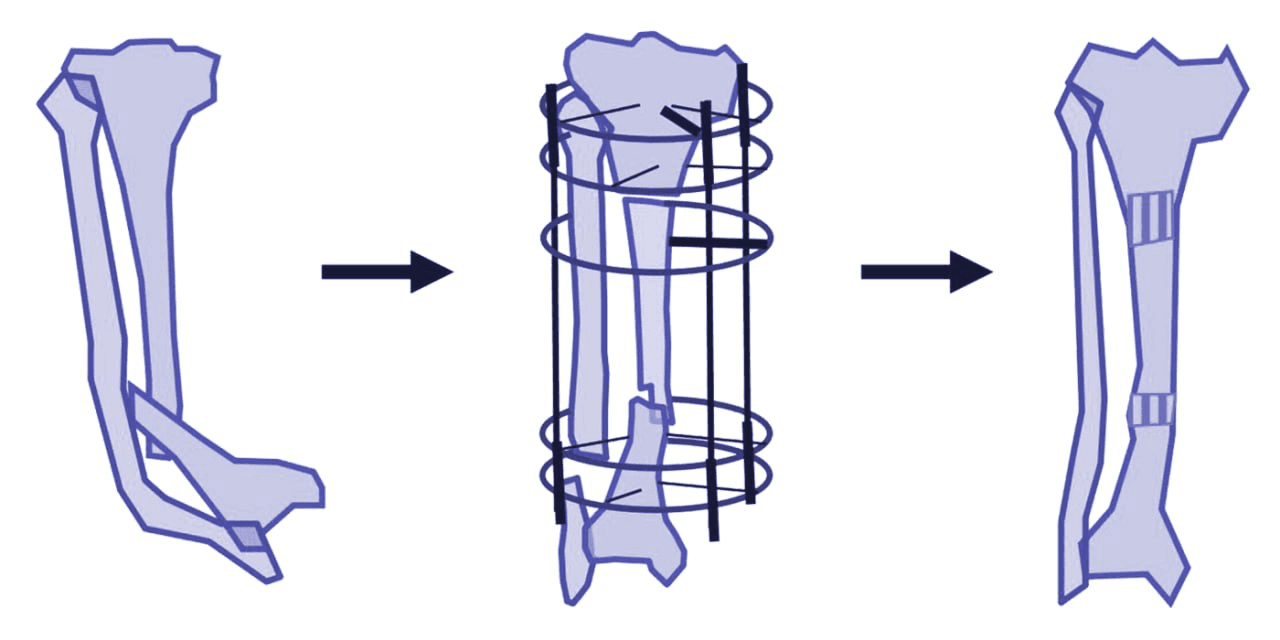
Congenital pseudoarthrosis of the tibia is one of the most challenging pathologies in pediatric orthopedics. The course of the disease is pretty unpredictable, and the recurrence rate remains high. Treatment at our center is based on the Ilizarov principle, according to which bone union at the site of pseudoarthrosis is combine with bone thickening in the affected area. In most cases, long-term remission or complete healing of the disease is achieved.
Sequel of Trauma
The treatment of Sequel of Trauma such as nonunion of long bones, malunions, various limb deformities, and limb length discrepancies, our center employs the Ilizarov method. This technique is based on the principle that bone and soft tissues are capable to growth and regeneration under controlled mechanical tension, allowing for restoration of both anatomy and function of the limb.